Cost of Barn Siding Replacement in Rowley, MA
Barn siding replacement in Rowley, MA, involves several factors that can influence the overall project cost. These include the size of the area to be covered, the type of materials selected, labor rates, and site-specific conditions such as accessibility or existing structure considerations. Because of these variables, final pricing can vary significantly from one project to another.
Estimating the cost for barn siding replacement requires understanding that prices are typically determined by the scope of work, material choices, labor complexity, and site conditions. It is recommended to obtain detailed quotes from local providers to compare options and better understand the potential range of costs for a project in Rowley, MA.
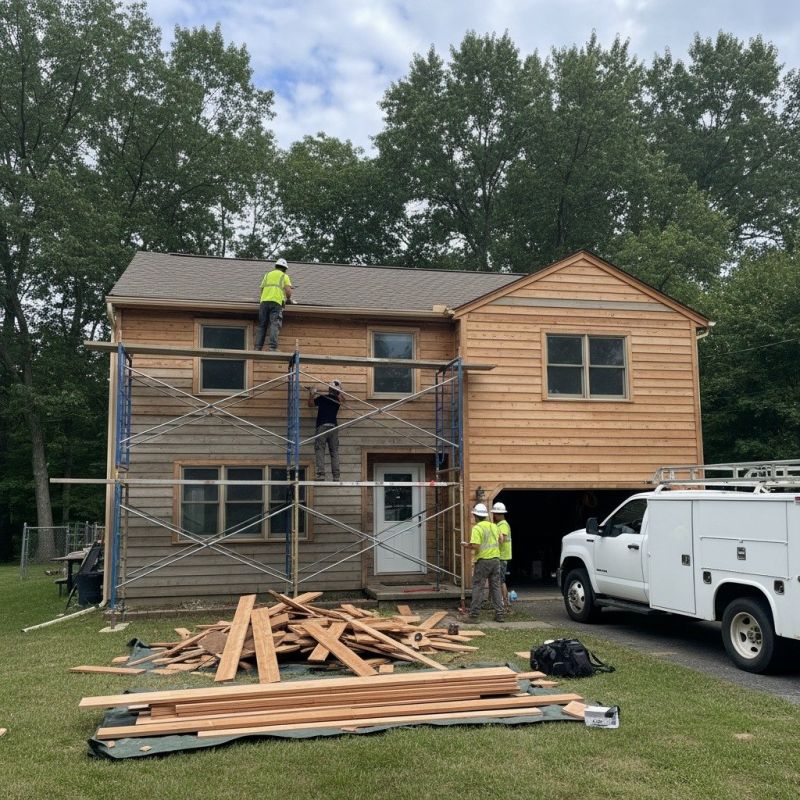
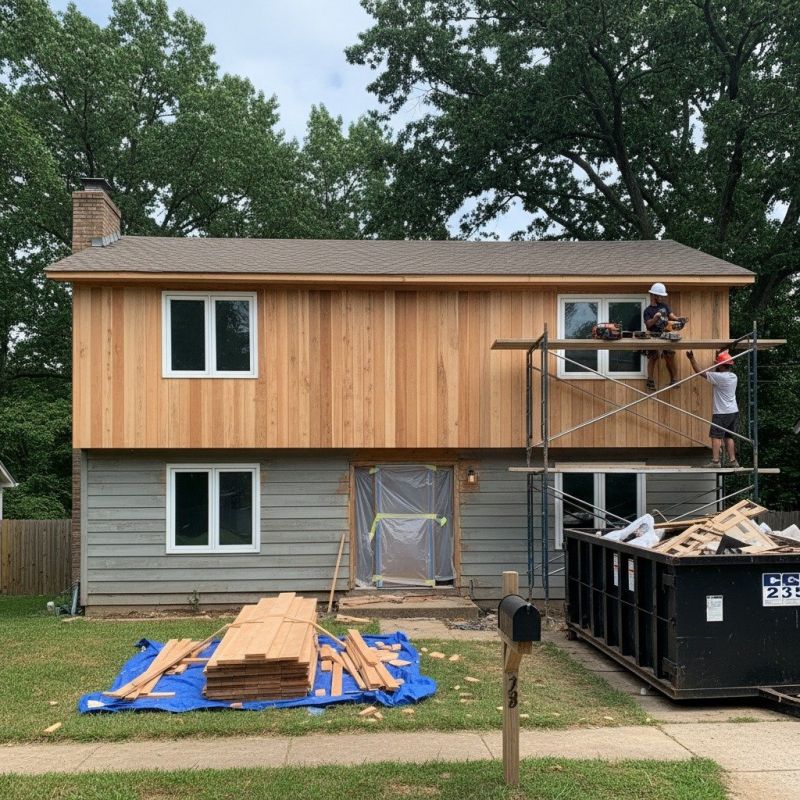
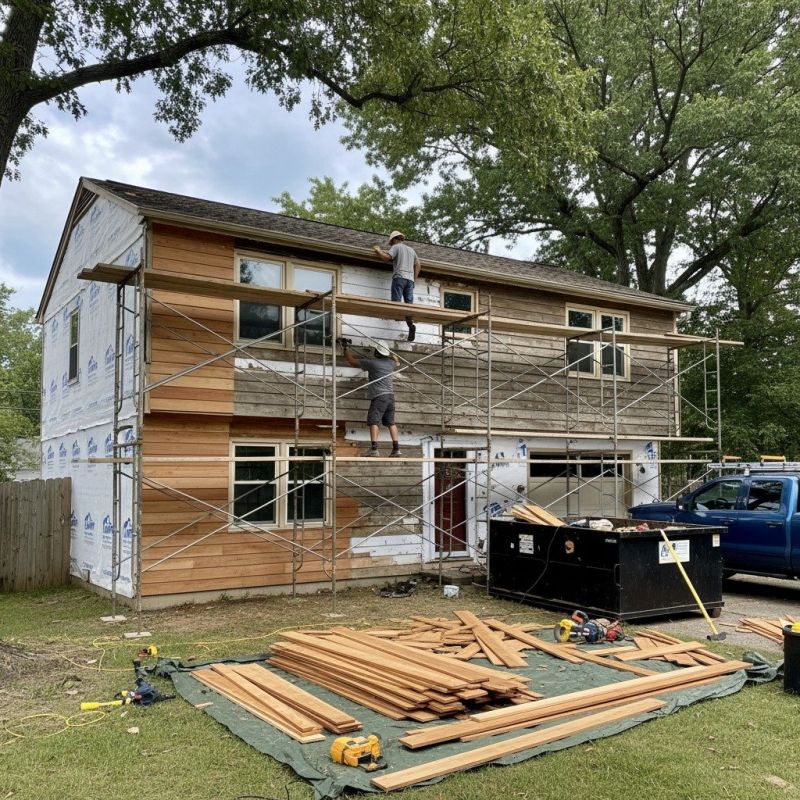
Estimated Cost Range
$1,200 - $2,800 (Smaller scope)
$3,500 - $7,000 (Larger scope)
| Project Type | Typical Range |
|---|---|
| Barn siding replacement (per panel) | $150 - $300 |
| Full barn siding replacement | $3,500 - $7,000 |
| Wood siding repair | $200 - $600 |
| Vinyl siding replacement | $2,000 - $4,500 |
| Paint and finish | $1,000 - $3,000 |
| Insulation upgrade | $1,200 - $2,500 |
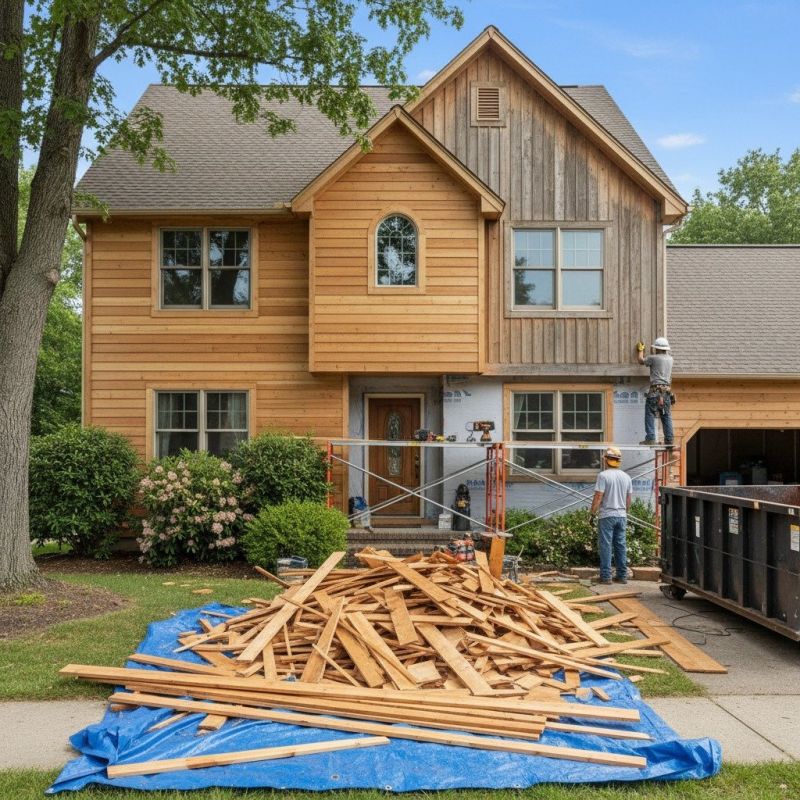
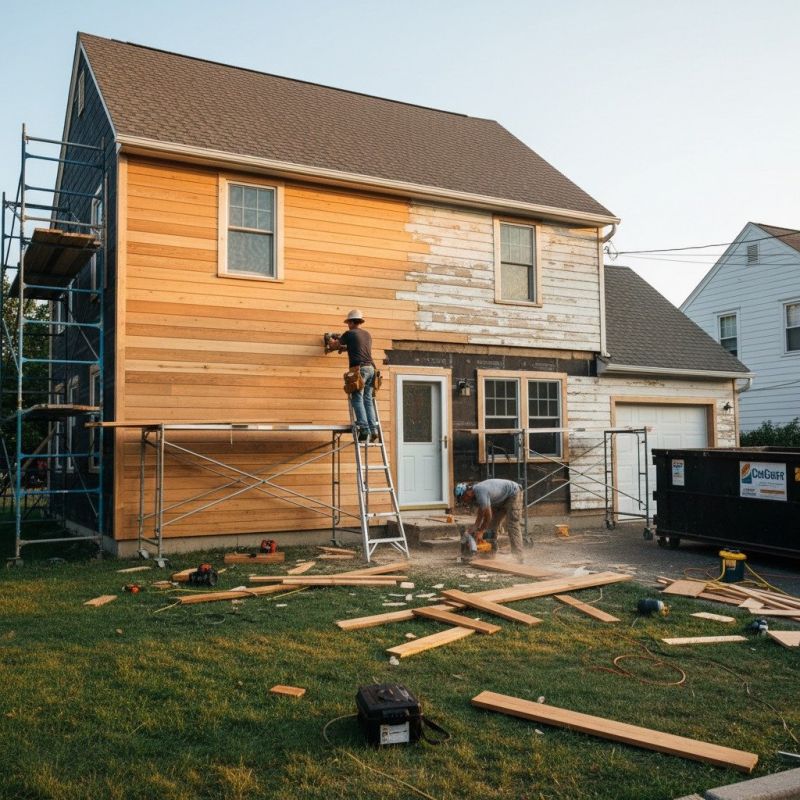
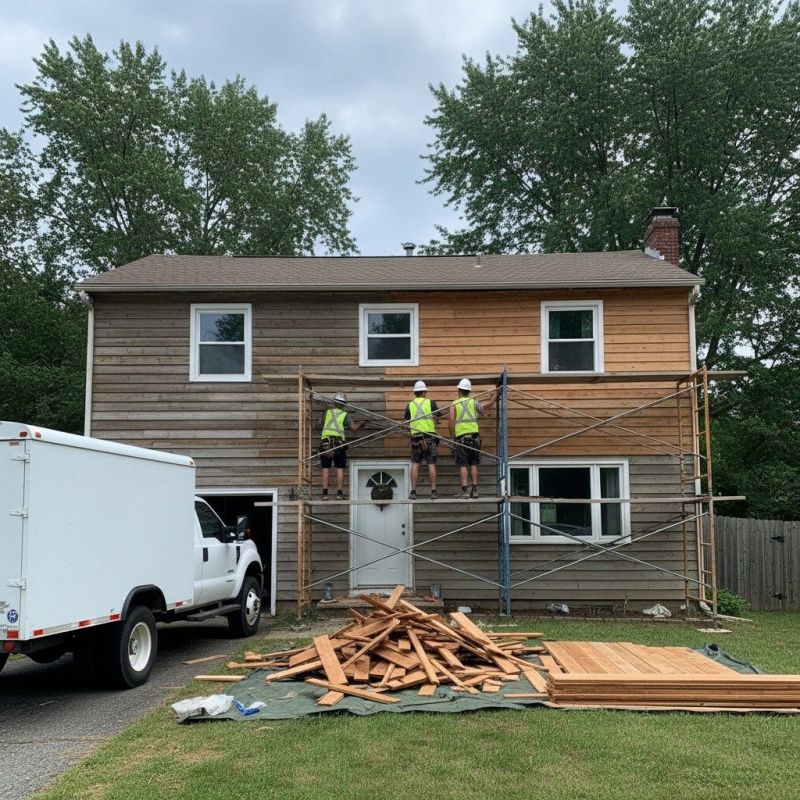
Factors Influencing Cost
Barn siding replacement in Rowley, MA, involves updating or repairing the exterior wood panels that protect and define a barn’s structure. This project can enhance the building's appearance and longevity, especially in areas with seasonal weather changes. Understanding the typical scope and considerations can help in planning and budgeting for barn siding upgrades.
- Materials used may include traditional wood, vinyl, or fiber cement siding, each with different durability and maintenance needs.
- The size and scope depend on the barn’s dimensions and the extent of damage or wear, from partial repairs to complete siding replacement.
- Labor complexity varies based on the barn’s design, height, and accessibility, influencing overall project duration and effort.
- Permitting requirements in Rowley, MA, can impact project timelines and may involve local building codes or zoning regulations.
- Additional options such as insulation, weatherproofing, or decorative elements can be included to enhance functionality and appearance.